Please review our shipping policy, we are limited to where we can ship to due to state licensing laws.
Your cart is currently empty
Product image slideshow Items
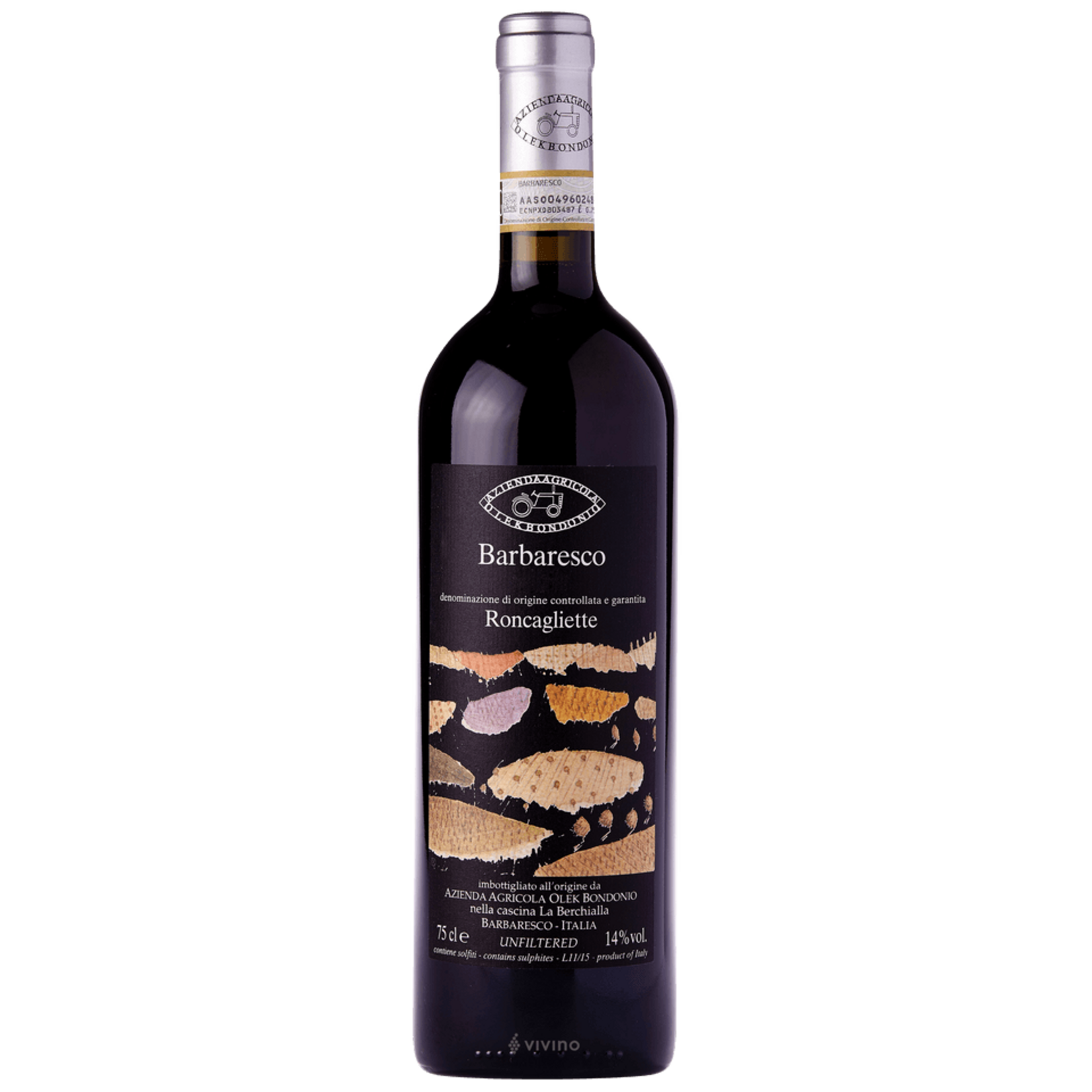
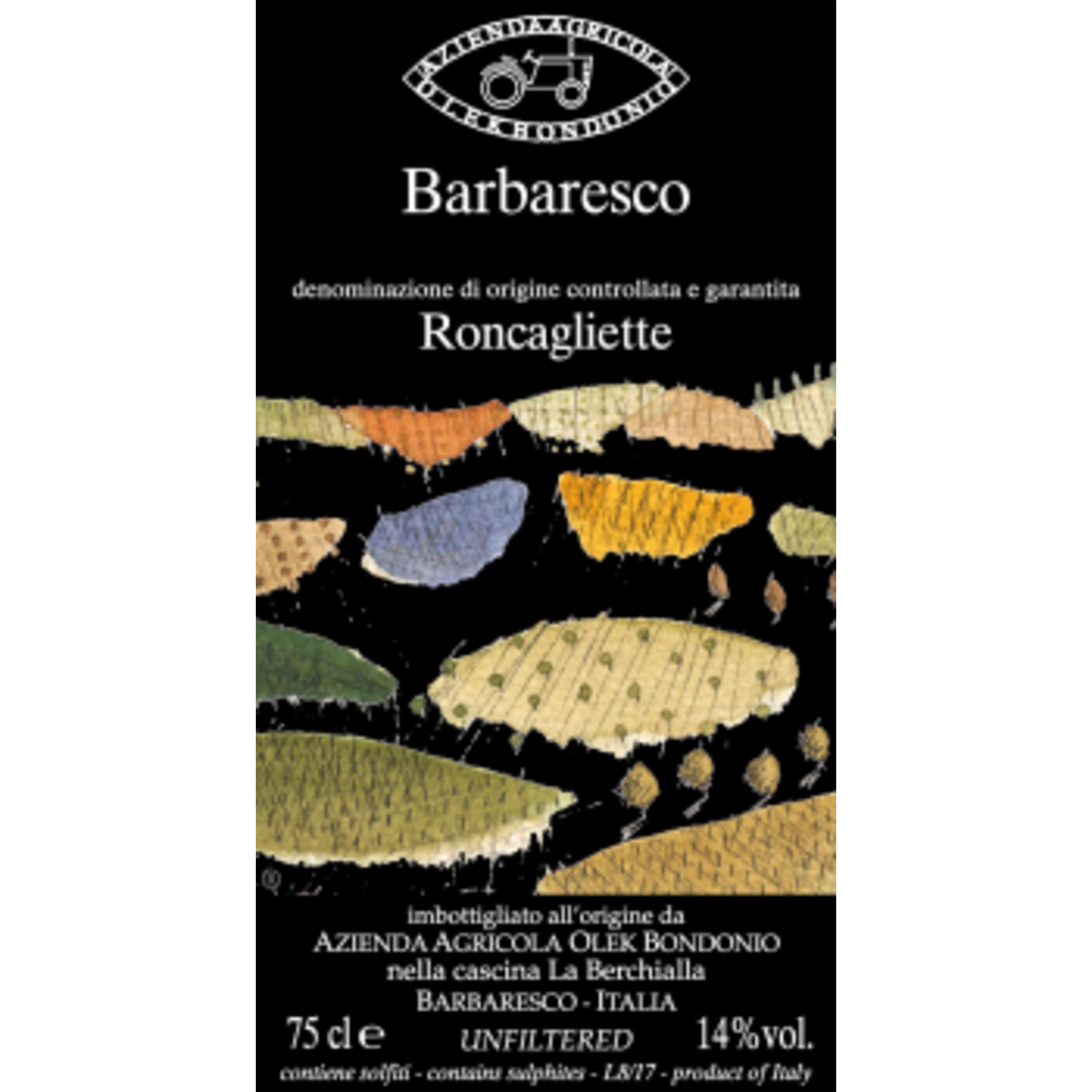
Deep ruby with aromas of dark cherry, blackberry, licorice, and mineral notes. Medium to full-bodied with firm, elegant tannins, flavors of red and black fruits, herbs, and earth with a long finish. A wine of incredible complexity, power and poise.
Available in store
Close100% Nebbiolo from Roncagliette (a Barbaresco cru vineyard)
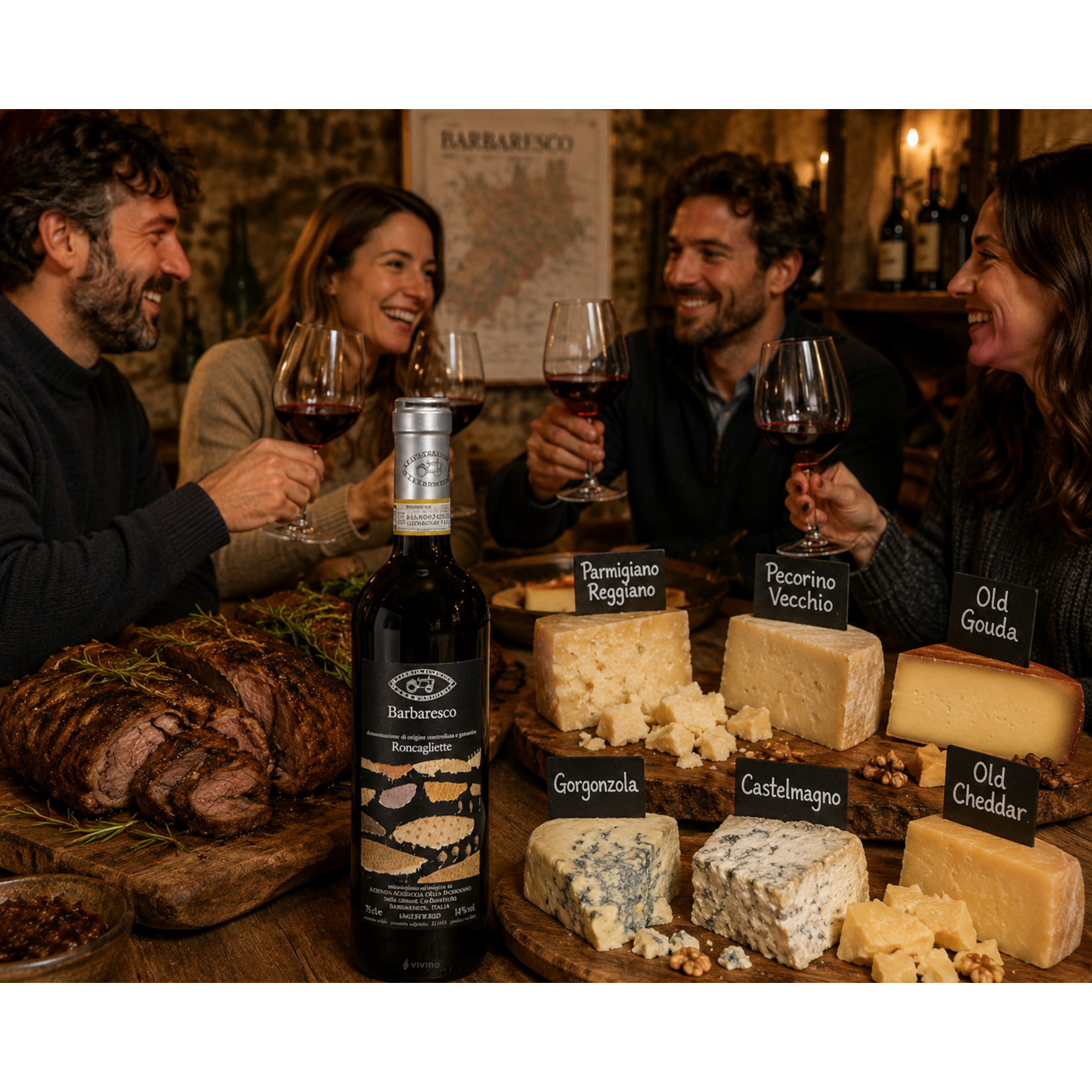
Food Pairings: Roasted lamb, wild boar, beef steak, wild mushrooms, truffle-infused pasta, aged Nebbiolo-friendly cheeses, such as old strong cheeses like Parmigiano Reggiano, Pecorino vecchio, old Gouda and old Cheddar, blue cheeses such as Gorgonzola and Castelmagno as well as cheeses with a rich flavor like Fontina, Taleggio and Boschetto al tartufo.
50 year-old vines, planted on very heavy clay on top of blue marl, 350m elevation. Fermented in concrete with two months on the skins (submerged cap), then pressed off and moved to large botti for longer élevage (usually two years). Unfined, unfiltered, with moderate amounts of SO2 (10-20ppm max) added just before bottling. This is the powerhouse wine of the domaine, with a palate saturated in black fruit and a highly mineral core, but it never loses its sense of freshness or drinkability.
Olek Bondonio
It’s an understatement to say Bondonio is different than much of the scene in the Piedmont, especially in Barbaresco—no tasting room, no modern-art metal sculptures at the gates, no name engraved in bronze. Instead, he lives and works at his family’s 200 year-old farmhouse called ‘La Berchialla,’ where old custom is still visible: his botti for aging live in the bottom floor where cattle were kept; the family lived on the floor above. There is pedigree here, however: Bondonio’s wines hail from three lauded vineyards, some of which have been in his family those same 200 years. (One of Olek’s ancestors of the farm La Berchialla, General Guglielmo Como, was a key founder of ‘Barbaresco’s Corporate Wine Cellar,’ today known as ‘Produttori del Barbaresco.’)
Despite Bondonio’s ancestry and highly-regarded vines—including his holding of Roncagliette, just down his driveway, immediately abutting Gaja’s famous Sorì Tildin—Olek only began his foray into wine with encouragement from his Polish mother, who told him if he was interested in making wine off the family vineyards, he should do it. Bondonio began first to tend the family vines, getting to know the character of each vineyard for a few years, then undertook his first small vintage in 2005.
After 15 years, Bondonio’s practices are clear: a committed believer in no chemical inputs in the vines, with some biodynamic practices applied, very minimal intervention in the cellar. He’s interested in the vineyards themselves, working them personally, as well as having acquired further pieces of special sites like Starderi and Altavilla—some of those from old folks in nearby villages who normally wouldn’t open the door if a stranger came knocking about their vineyard holdings.